

『co2 flow meter|heat flow meter』Related information(v cone flow meter|rotary gas meter|gallon meter|gear meter|metal tube rotameter|glass tube rotameter|nutating disk meter|transit time ultrasonic flow meter|wedge flow meter|pd meters|hydraulic flow meter|ultrasonic water flow meter|water flow meter|air flow meter|magnetic water flow meter|oxygen flow meter|gas flow meter|argon flow meter|air velocity meter|gasoline flow meter|fuel flow meter|ultrasonic water meter|digital water meter|nitrogen flow meter|solid flow meter|Oxygen tank flow meter|digital water flow meter|diesel fuel flow meter|steam flow meter|02 flow meter|compressed air flow meter|oil flow meter|liquid flow meter)

1. How to use an oxygen ventilator
General anesthetics, also known as general anesthetics, are a class of drugs that can reversibly inhibit central nervous system function, manifested as loss of consciousness, loss of sensation and reflexes, skeletal muscle relaxation, etc., but still maintain the function of extending brain life center. Anesthetic drugs can interfere with the central nervous system, circulatory system, respiratory system, and other functions of the human body. Careful observation of various physiological parameters, timely analysis and judgment, early detection of disease dynamics, attention to blood pressure, pulse, urine volume, drainage tube and wound exudate color and volume, and fluid replacement should be given based on the obtained data. The patients pupil size, consciousness status, etc. should also be observed. Always cooperate with the anesthesiologist to handle the situation properly and actively participate in rescue work. Clinical significance: (1) Gas source
1. Gas supply source:
(1) Mainly oxygen and N2O, which can come from gas cylinders and central gas supply stations. (2) The pressure of compressed oxygen in the steel cylinder is 130-150kg/cm2 (2000psi; 1kg/cm2=14.22psi), and the output working pressure can be adjusted to 3-4kg/cm2 (or 50psi) through a pressure reducing valve.
(3) The cylinder is filled with N2O in a liquefied gas state, and the pressure inside the cylinder is 40-60kg/cm2 (750psi). N2O can continuously vaporize and maintain the volume of saturated gas until the liquefied N2O is exhausted, so the pressure inside the cylinder cannot represent the true capacity of the gas.
(4) Central oxygen supply: Oxygen is delivered from the central
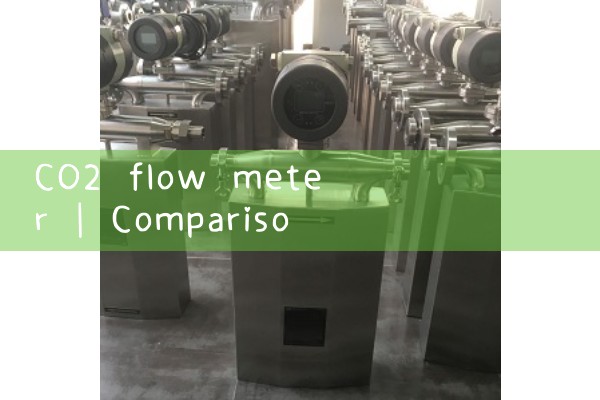
3. Gas flow meter (l/min): Adjust the flow rate of fresh air supply. Nowadays, dual flow tubes are commonly used to display high and low flow rates respectively. The error between gas flow rate and displayed value is 10%. The new anesthesia machine is equipped with a hypoxia protection system, also known as an N2O blocking device.
4. Oxygen rapid inflation valve: Pressing this valve allows oxygen to enter the circuit at a speed of 40-60l/min. (2) Volatile generator
1. The scale of the volatile generator is expressed in vol%, indicating the concentration of anesthetic gas at the outlet of the generator.
2. Location:
(1) Inside the respiratory circuit: installed on the inspiratory (expiratory) side of the circuit, the fresh gas inhaled first passes through the vaporizer and then enters the anesthesia machine.
. There is a switch outside the evaporator to control the gas flow rate. The flow rate during spontaneous breathing is relatively small, while during mechanical ventilation, the fresh airflow can reach 2-3l/min, making anesthesia easier to deepen.(2) Outside the respiratory circuit: The evaporator has an independent bypass gas supply system. When the evaporator is turned on, the bypass airflow passes through the evaporator chamber and carries anesthesia vapor mixed with the main airflow into the circuit, making the inhalation concentration more stable.
. 3. The volatile concentration of anesthetics is affected by the fresh air flow rate and ambient temperature, and is rela Hot Product
 Related AD