

『Hedland Water Flow Meter Selection: Finding Robust Mechanical Indicators for Cooling Jacket Lines』Related information(v cone flow meter|rotary gas meter|gallon meter|gear meter|metal tube rotameter|glass tube rotameter|nutating disk meter|transit time ultrasonic flow meter|wedge flow meter|pd meters|hydraulic flow meter|ultrasonic water flow meter|water flow meter|air flow meter|magnetic water flow meter|oxygen flow meter|gas flow meter|argon flow meter|air velocity meter|gasoline flow meter|fuel flow meter|ultrasonic water meter|digital water meter|nitrogen flow meter|solid flow meter|Oxygen tank flow meter|digital water flow meter|diesel fuel flow meter|steam flow meter|02 flow meter|compressed air flow meter|oil flow meter|liquid flow meter)
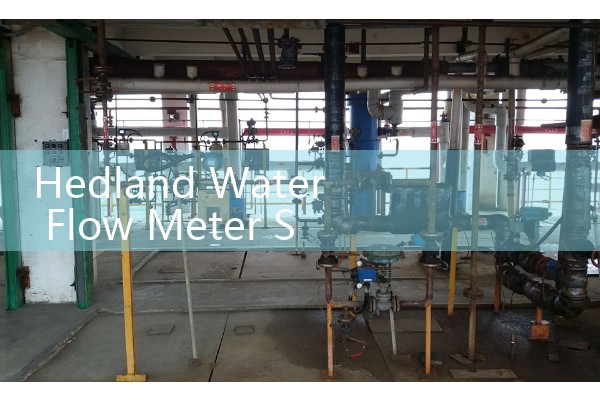
Hedland Water Flow Meter Selection for Cooling Jacket Lines
Quick Answer: For most cooling jacket lines from DN15 to DN40, choose a Hedland style direct reading mechanical flow meter with a brass or 316 stainless steel body. Select a flow range of 2 to 40 LPM for individual mold circuits and up to 120 LPM for main headers. Confirm coolant type, glycol percentage, pipe thread standard, and normal flow rate before you order.
Why Mechanical Indicators Still Fit Cooling Jacket Lines
Cooling jacket lines are not custody transfer points. You need a simple local check that water or water glycol mix moves through the jacket. Hedland style meters do exactly that with a spring loaded piston and a direct reading scale. There is no wiring, no power supply, and no separate transmitter to configure. In practice, maintenance teams on injection molding lines in Vietnam and plastics plants in Indonesia read the piston position in a few seconds. They spot low flow before the mold overheats or the barrel warps.
Here is the thing. A thermal mass meter, electromagnetic meter, or Coriolis meter is overkill for many jacket circuits. Those meters give high accuracy, but they add cost and complexity. A robust mechanical indicator gives you local flow visibility at a fraction of the installed cost. Silver Instruments supplies Hedland style mechanical meters for cooling systems in Southeast Asia, Australia, Latin America, Africa, and the Middle East. Most customers ask for a local scale plus an optional flow switch for a low flow alarm.
Parameters That Decide the Selection
Start with pipe size. DN15 and DN20 are common on individual mold temperature controllers. DN25 and DN32 appear on extruder feed throat jackets and small reactor coils. DN40 and DN50 are typical on central cooling headers or large jacketed reactors. Do not guess the thread standard. Some machines use NPT threads. Others use BSPP or BSPT. A thread mismatch can delay installation by two weeks. We have seen this happen at a paint plant in Indonesia on a DN25 jacket line.
Flow range is the next factor. Small mold circuits often run 2 to 15 LPM. Large chiller loops may run 20 to 80 LPM. Choose a meter with a maximum range about 1.5 to 2 times your normal flow. This keeps the indicator in the middle of the scale and avoids pegging the piston at full flow. If you do not know your flow range, send the chiller capacity and pipe size to Silver Instruments. We will calculate a recommended range.
Coolant type matters. Clean water works with brass body meters and Buna seals. Water glycol mixes up to 30 percent also work with brass, but the viscosity changes the reading slightly. Glycol above 40 percent and deionized water loops require stainless steel internals and Viton seals. The viscosity of a 40 percent glycol mix at 10 °C can exceed 5 cP, which shifts the calibration on some direct reading meters. Tell us the glycol percentage before ordering. This is not a detail that engineers should skip.
Temperature and pressure must be confirmed. Most cooling jacket circuits operate at 10 to 80 °C. Some heat recovery loops reach 90 °C. Select a meter rated for at least 90 °C and 10 bar. Closed loops with expansion tanks can reach 10 bar at startup. A standard brass meter with a 10 bar rating works for many clean water circuits. For hot water near 90 °C or outdoor skids in the Middle East, choose a 316 stainless steel body. High ambient temperature in a Saudi Arabia engine test cell can reach 55 °C. That does not affect a metal indicator as much as a plastic one.
Cooling Jacket Line Challenges
Vibration is common on injection molding and extrusion lines. Mechanical piston meters with metal housings handle vibration better than glass tube rotameters. A glass tube can crack if a nearby hydraulic pump creates constant shaking. Hedland style meters use a tapered flow passage and a sharp pointer. Operators can read them from a walkway without touching the pipe.
Dirty cooling tower water is another challenge. Some plants in Africa and Latin America run open cooling towers. The water contains rust, scale, or biological sediment. Small turbine meters clog easily in these conditions. A piston type mechanical indicator has simple internal geometry and tolerates moderate particles. Install a Y strainer before the meter anyway. It protects th
Power failure is a real operating condition. If a plant loses power, a magnetic flow meter stops transmitting. A mechanical indicator still shows flow because it runs on line pressure. This is why many customers keep a direct reading meter on critical jacket lines even when the central PLC already has a flow transmitter.
Recommended Pairings for Silver Instruments Customers
For DN15 cooling circuits with clean water and 2 to 15 LPM flow, select a brass body direct reading meter with 1 to 20 LPM range, 90 °C temperature rating, and 10 bar pressure rating. This fits most injection mold temperature controllers. Choose NPT or BSPP threads to match the machine.
For DN20 to DN25 jacket loops with 10 to 40 LPM and up to 30 percent glycol, select a 316 stainless steel body meter with Viton seals. Use a range of 4 to 50 LPM. This covers extruder barrels, small reactors, and engine test stand cooling lines. Add a local flow switch set at your minimum safe flow, for example 8 LPM. When the switch trips, the PLC can stop the heater or start a backup pump.
For DN40 to DN50 headers from 40 to 120 LPM, use a stainless steel meter with a local indicator. If the central control room needs a signal, add a 4-20 mA transmitter. This gives both local visibility and remote monitoring. For hazardous area cooling skids near solvent storage, ask for an ATEX Zone 1 rated flow switch option. Silver Instruments can check compatibility with your loop barrier and cable gland arrangement.
Installation Notes for Robust Service
Install the meter with a straight run of 5 pipe diameters upstream and 3 downstream. Avoid mounting it directly after a pump outlet elbow. Turbulent or swirling flow can cause the piston to flutter and make reading difficult. Mount the scale facing the operator walkway. Add isolation valves around the meter if the line needs chemical cleaning. This allows removal without draining the entire cooling circuit.
If the cooling water carries sand from a bore well, install a 100 mesh Y strainer before the meter. We saw a customer in West Africa replace three turbine meters in one year because sand wore out the bearings. A mechanical piston indicator with a strainer lasted much longer. It is not a perfect filter, but it lowers maintenance frequency.
FAQ
Q: Can Hedland style meters handle water glycol coolant?
A: Yes. Specify the glycol percentage when ordering. Up to 30 percent glycol works with brass and Buna seals for most cooling lines. For 40 percent glycol or deionized water, choose stainless steel internals and Viton seals. Silver Instruments can apply a viscosity correction for nonstandard coolant mixes.
Q: What pipe size is typical for mold cooling jackets?
A: DN15 and DN20 are most common for single mold circuits. DN25 and DN40 appear on manifold headers and larger machine jackets. Always check the machine connection thread before you order. NPT and BSPP are not the same.
Q: Do mechanical flow indicators need power?
A: No. The piston moves against a spring and shows flow on a direct reading scale. There is no transmitter or display to power. This is useful in blackout conditions and on remote skids where wiring is difficult.
Q: Can the meter send a signal to a PLC?
A: Yes, if you add a flow switch or a 4-20 mA transmitter. A basic model only gives local indication. Tell us the low flow trip point in LPM if you need a switch. For a central monitoring loop, specify the output signal and the loop power supply voltage.
Q: What is the delivery time for Hedland style meters from Silver Instruments?
A: Standard brass or stainless models ship in 5 to 12 days depending on the destination country. Special ranges, thread types, or ATEX options add 7 to 10 days. Contact Silver Instruments for a current stock check.
Get a Specific Quote
Send us your pressure in bar, temperature in °C, pipe size in DN, and flow range in LPM. Tell us the coolant type and the pipe thread standard. We will reply with a model recommendation, price, and delivery time. Contact Silver Automation Instruments at Tel: +86-25-68650347, Whatsapp: +86-25-52155837, WeChat: +86 15365082610. You can also reach us through flow-meter.com.au.
 Hot News
 Related AD