

『Emf Flow Meter Engineering Guide: Understanding Electro-Motive Force in Fluid Piping』Related information(v cone flow meter|rotary gas meter|gallon meter|gear meter|metal tube rotameter|glass tube rotameter|nutating disk meter|transit time ultrasonic flow meter|wedge flow meter|pd meters|hydraulic flow meter|ultrasonic water flow meter|water flow meter|air flow meter|magnetic water flow meter|oxygen flow meter|gas flow meter|argon flow meter|air velocity meter|gasoline flow meter|fuel flow meter|ultrasonic water meter|digital water meter|nitrogen flow meter|solid flow meter|Oxygen tank flow meter|digital water flow meter|diesel fuel flow meter|steam flow meter|02 flow meter|compressed air flow meter|oil flow meter|liquid flow meter)

Emf Flow Meter Engineering Guide: Understanding Electro-Motive Force in Fluid Piping
Quick Answer: This Emf Flow Meter Engineering Guide explains electro-motive force in fluid piping. An EMF flow meter measures volumetric flow of conductive liquids using Faraday law of electromagnetic induction. Silver Instruments supplies these magnetic flow meters from DN15 to DN2000 for water, wastewater, chemicals, food and beverage, and marine service. Send your pipe size, pressure, temperature, conductivity and flow range to get a price and model recommendation.
What Is an EMF Flow Meter?
An EMF flow meter is also called a magnetic flow meter or magmeter. It measures the velocity of a conductive liquid moving through a pipe. The meter converts velocity to volumetric flow in units like m3/h, L/min, or GPM.
This meter has no moving parts. That matters in wastewater plants and mining slurries where debris would damage a turbine or oval gear meter. The pipe bore stays open. Pressure loss is close to zero.
How Electro-Motive Force Works in Fluid Piping
Faraday law states that voltage is induced when a conductor moves through a magnetic field. In an EMF flow meter the conductive liquid acts as the moving conductor. Two coils generate a magnetic field across the pipe. Two electrodes pick up the induced voltage. The induced electro-motive force in fluid piping is small, often in the millivolt range.
The voltage signal is proportional to average flow velocity. The transmitter converts this signal to flow rate and total flow. Because the signal is small, the meter needs a stable ground. Most Silver Instruments models include built-in grounding electrodes or grounding rings for plastic pipes.
Key Engineering Parameters for EMF Flow Meters
Line size selection starts with pipe size and flow velocity. We recommend 1 to 5 m/s for most water and chemical lines. For abrasive slurries keep velocity near 2 to 3 m/s. DN15 to DN2000 covers most industrial piping.
Liner selection depends on chemical compatibility and temperature. PTFE handles aggressive acids and temperatures from -40 to 180 degrees Celsius. Hard rubber works well for water and wastewater at ambient temperature. Electrode materials include 316L, Hastelloy C, titanium, and tantalum.
Conductivity matters. The liquid needs a minimum conductivity of 5 µS/cm for most standard magmeters. Demineralized water or oil can be a problem. Accuracy is typically 0.5 percent of reading from 0.3 to 10 m/s. Optional 0.2 percent accuracy is available for custody transfer and batch dosing.
Output options include 4-20 mA HART, pulse, RS485 Modbus, and Profibus DP. Silver Instruments supports 85 to 265 V AC and 24 V DC power. Ex-proof versions meet ATEX Zone 1 and IECEx requirements for gas or dust.
Installation and Grounding Requirements
Most engineers skip this part, but grounding decides signal quality. The meter should be installed in a lo
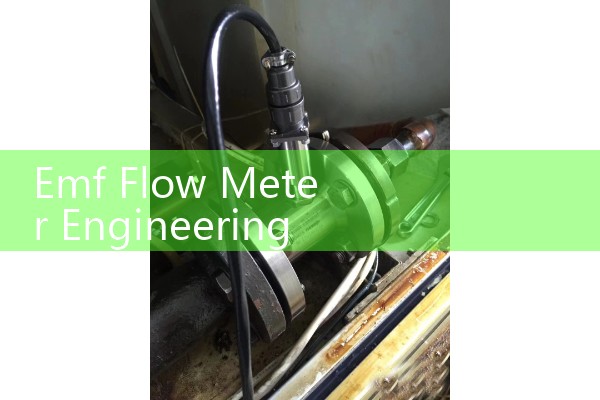
For conductive metal pipes, use the supplied ground rings or grounding electrodes. For plastic or lined pipes, order grounding rings. A straight run of 5 DN upstream and 3 DN downstream is enough for most models. In practice, many plants use 10 DN upstream when there are pumps, valves, or elbows close to the meter.
Common Applications and Customer Examples
We have seen these meters on many customer sites. A water utility in the Philippines uses DN300 and DN400 magmeters for raw water intake and treated effluent. A paint manufacturer in Southeast Asia selected PTFE liner and Hastelloy C electrodes for solvent-based coatings. A desalination plant in Oman uses seawater flow meters with titanium electrodes and 4-20 mA HART output for brine line monitoring.
Other common applications include cooling water, boiler feedwater, CIP return lines in food and beverage, chemical dosing, and slurry transfer in mining. Because the meter handles suspended solids, it works well in wastewater plants where other meter types clog.
EMF Flow Meter Price and Selection
Magmeter price depends on line size, liner, electrode material, pressure rating, and approvals. A DN25 wafer magmeter for clean water may be simple. A DN600 PTFE lined meter with Hastelloy C electrodes and ATEX Zone 1 costs much more.
For a fast price, send us these details: pipe size (DN), fluid name, conductivity, temperature, pressure, flow range, and output signal. We reply within 24 hours with a model, lead time, and commercial offer.
Contact Silver Instruments at Tel: +86-25-68650347, Whatsapp: +86-25-52155837, WeChat: +86 15365082610.
FAQ
What is the minimum conductivity for an EMF flow meter?
Most standard models need 5 µS/cm. Some high impedance designs can work down to 1 µS/cm. For demineralized water we recommend a different technology.
Can an EMF flow meter measure oil or gas?
No. Oil and gas are not conductive enough. Use a Coriolis mass flow meter or vortex flow meter for those fluids.
What is the accuracy of a magnetic flow meter?
Standard accuracy is 0.5 percent of reading. Silver Instruments offers 0.2 percent of reading for calibrated models. Accuracy is stated for flow velocity from 0.3 to 10 m/s.
Does the pipe need to be full?
Yes. The electrodes must stay wetted. Install the meter in a low point or a rising line. For open discharge, use a downstream pipe section that maintains back pressure.
What output signals do Silver Instruments EMF flow meters support?
Standard outputs include 4-20 mA HART, pulse, and RS485 Modbus. Optional Profibus DP is available. Power options are 24 V DC or 85 to 265 V AC.
Contact Silver Automation Instruments for a quote. Tel: +86-25-68650347, Whatsapp: +86-25-52155837, WeChat: +86 15365082610.
 Hot Blog
 Related AD