

『Medical Oxygen Regulator with Flow Meter: Healthcare Cylinder Accessories』Related information(v cone flow meter|rotary gas meter|gallon meter|gear meter|metal tube rotameter|glass tube rotameter|nutating disk meter|transit time ultrasonic flow meter|wedge flow meter|pd meters|hydraulic flow meter|ultrasonic water flow meter|water flow meter|air flow meter|magnetic water flow meter|oxygen flow meter|gas flow meter|argon flow meter|air velocity meter|gasoline flow meter|fuel flow meter|ultrasonic water meter|digital water meter|nitrogen flow meter|solid flow meter|Oxygen tank flow meter|digital water flow meter|diesel fuel flow meter|steam flow meter|02 flow meter|compressed air flow meter|oil flow meter|liquid flow meter)
Medical Oxygen Regulator with Flow Meter: Healthcare Cylinder Accessories
Quick Answer: A medical oxygen regulator with flow meter steps down cylinder pressure to a safe working level and lets you dial in an exact oxygen flow, typically 0–15 L/min or 0–25 L/min. Silver Automation Instruments ships these regulators with brass bodies, polycarbonate flow tubes, and inlet connections matched to CGA 540, AS 2472, DIN 477, or BS 341 standards. Send your cylinder valve type, target flow range, and order quantity to [email protected] for a firm price including freight to your port.
What a Medical Oxygen Regulator with Flow Meter Actually Does
You connect the regulator to a high-pressure oxygen cylinder that holds gas at 2000 psi or 150 bar. The first stage reduces this to roughly 50 psi. The integrated flow meter then lets a nurse or technician set the delivery rate in liters per minute. No external flow gauge is needed. Because the flow tube is calibrated for oxygen, the reading is direct and reliable. Most hospitals order 0–15 L/min models for adult wards and 0–5 L/min or 0–3 L/min for neonatal care. The regulator also includes a pressure relief valve that vents if the intermediate pressure creeps too high, which protects the downstream humidifier and nasal cannula.
Key Specs We Stock for Export Markets
Silver Automation Instruments keeps five standard configurations in ready-to-ship inventory from our Nanjing warehouse. Flow ranges: 0–3 L/min, 0–5 L/min, 0–8 L/min, 0–15 L/min, and 0–25 L/min. Body material is chrome-plated brass, and the flow tube is high-impact polycarbonate. Inlet threads are machined to CGA 540 (common in North America and the Middle East), AS 2472 (Australia), DIN 477 No. 1 (Germany and much of Southeast Asia), or BS 341 No. 3 (UK and former Commonwealth countries). Outlet connection is a standard 9/16-inch UNF hose barb or DISS fitting depending on your tubing. Accuracy of the flow indicator is ±10 percent of full scale, tested with oxygen at 21 °C and atmospheric pressure. Each unit passes a leak test at 1.5 times the rated inlet pressure before it leaves the factory.
Where We See These Regulators Used, Country by Country
In practice, our oxygen regulators go into three main channels. First, replacement stock for district hospitals in Nigeria and Ghana where technicians swap out broken regulators on Type D or E cylinders. Second, clinic fit-outs in the Philippines and Indonesia that need regulators with British Standard connectors because the medical gas pipeline system was built during the colonial era. Third, homecare oxygen kits in Peru and Mexico where a local distributor bundles our regulator with a cylinder and a simple mask. Last year a customer in Ho Chi Minh City ordered 200 units of the 0–8 L/min model with DIN 477 inlet because his portable oxygen concentrators could not keep up with demand during the dengue season. He received the shipment in 12 days, cleared customs with our commercial invoice, and had zero returns. Most engineers skip the long spec debate and just send us a photo of the cylinder valve when they are not sure of the standard. We match it and reply within hours.
Why Procurement Teams Outs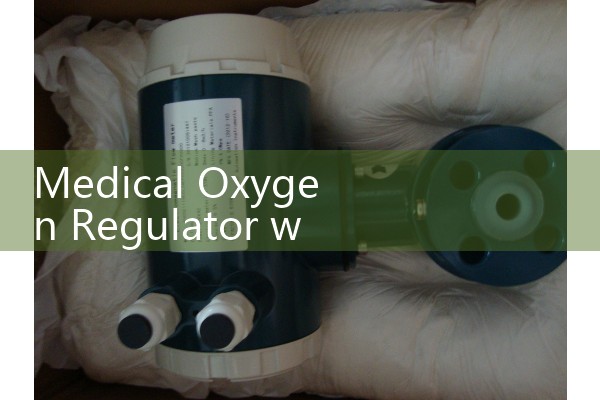
Here is the thing. We are not a medical consumables company. We are an industrial instrument manufacturer, which means our quality control follows ISO 9001 and our calibration benches are the same ones we use for industrial mass flow meters. That makes the oxygen regulator a straightforward machined product for us. We do not require minimum order quantities in the thousands, and we mix container loads with our flow meter orders, saving you freight cost. So a 50-unit trial order from a distributor in Ecuador is perfectly welcome. All regulators ship with a test certificate, a mill certificate for the brass forging, and a user manual in Spanish, Arabic, or Portuguese depending on your request. If your tender requires third-party inspection by SGS or Bureau Veritas, we arrange it at cost.
How to Get a Quote That Matches Your Local Cylinder Infrastructure
Do not send a generic “please send price list” email. We need four things to generate a proforma invoice you can actually use for your bank or ministry tender. One, the inlet connection standard (CGA, BS, DIN, AS, or the marking on your cylinder valve). Two, the flow range you expect to use most on the ward. Three, the total quantity and whether you want sea freight or air courier. Four, the destination port or airport code. Send these details to [email protected] and we will return a PDF quote within one business day. You can reach us by phone at +86-135-1213-1526 or on Whatsapp at 86-135-12131526. WeChat users can add +86 13512131526 to send cylinder photos directly.
Can the flow meter be replaced if it cracks during shipping?
Yes. The flow tube assembly is a serviceable part. We include two spare tube seals in every carton of ten regulators. If a tube does crack, you can unscrew the retaining nut, pull the old tube, and fit the new one without any special tools. We also keep spare flow tubes in stock and can airfreight them separately if you need replacements outside a warranty claim.
Do you supply pediatric and adult flow settings on one regulator?
We used to offer dual-range regulators with a selector knob, but most biomedical engineers told us the switching mechanism leaks after heavy use. So now we recommend buying the specific single-range model for each ward. A 0–3 L/min unit for the NICU and a 0–15 L/min unit for general wards. It costs a bit more upfront, but there is no downtime from a sticky selector valve.
What is the working temperature range?
The standard polycarbonate tube and brass body handle -10 °C to 50 °C continuous operation. For ambulance use in desert regions like Riyadh or Nouakchott where cabin temperature can exceed 60 °C, we supply a high-temperature tube option with a metal shield. Just tell us the max ambient temperature on site and we will configure it.
Do you provide regulators for oxygen/nitrous oxide mix?
No. Our regulators are designed and cleaned for pure medical oxygen only. Using them with nitrous oxide or heliox mixtures can degrade the seals and cause inaccurate flow readings. For mixed gases we suggest a dedicated anesthesia flowmeter from a specialist medical OEM.
 Hot Blog
 Related AD