

 Current position > Product detail
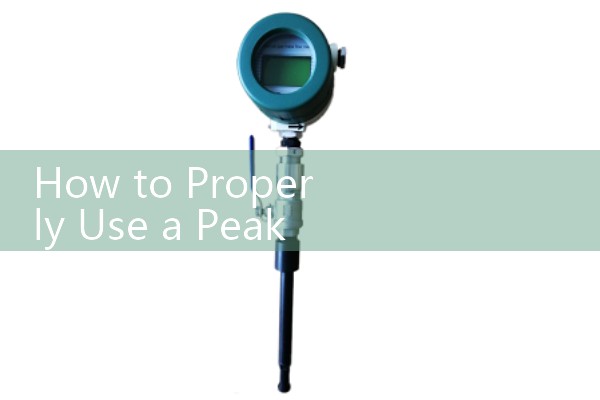
『How to Properly Use a Peak Flow Meter: Ensure a tight seal with your lips around the mouthpiece to get an accurate reading.』Related information(v cone flow meter|rotary gas meter|gallon meter|gear meter|metal tube rotameter|glass tube rotameter|nutating disk meter|transit time ultrasonic flow meter|wedge flow meter|pd meters|hydraulic flow meter|ultrasonic water flow meter|water flow meter|air flow meter|magnetic water flow meter|oxygen flow meter|gas flow meter|argon flow meter|air velocity meter|gasoline flow meter|fuel flow meter|ultrasonic water meter|digital water meter|nitrogen flow meter|solid flow meter|Oxygen tank flow meter|digital water flow meter|diesel fuel flow meter|steam flow meter|02 flow meter|compressed air flow meter|oil flow meter|liquid flow meter)
How to Properly Use a Peak Flow Meter for Industrial Processes: Seal It Right for Accurate Readings
Quick Answer: A peak flow meter in industrial service measures the highest flow rate in a pipeline or batch process. A tight seal at the process connection is not optional. Leaks cause false readings and process errors. Silver Automation Instruments supplies industrial flow meters from DN15 to DN300 with clear sealing instructions for water, oil, gas, and chemical lines.
What Industrial Peak Flow Meters Actually Measure
Some engineers hear the term peak flow meter and think of a medical device. In industry the term refers to a flow meter that captures the maximum flow rate during a batch, a wash cycle, or a pump start. For example a dairy plant in Australia uses an electromagnetic flow meter to record the peak CIP flow rate. The meter must seal tightly at the tri clamp connection. Otherwise air enters the line and the peak value is wrong.
Peak flow measurement matters in pump testing, filter backwash monitoring, and fire water systems. A pressure drop or seal failure changes the velocity profile. That changes the meter output. Silver Automation Instruments works with customers to select the right meter type for the peak flow range.
Sealing Rules for Different Flow Meter Types
Each flow meter type has a specific sealing requirement. For electromagnetic flow meters the liner must not be damaged by the gasket. Use a gasket with an inner diameter larger than the pipe ID. The grounding ring or grounding electrode must contact the process fluid. A paint manufacturer in Malaysia had a DN50 magnetic flow meter with a PTFE liner. The installer used a rubber gasket that protruded into the flow stream. The meter read 8 percent low. Replacing the gasket with a full bore design fixed the error.
For Coriolis mass flow meters the process connection is often a flange or a hygienic fitting. Tighten the flange bolts in a star pattern. Do not use the meter body as a pipe support. Thermal expansion can create stress at the connection. Stress changes the tube vibration and shifts the calibration. We recommend a flexible hose or expansion joint if the process temperature varies more than 20 degrees Celsius.
For vortex flow meters the bluff body must be centered in the pipe. The gasket must not cover the sensor port. A wastewater plant in Brazil had a vortex meter reading zero flow intermittently. The cause was condensate inside the sensor housing. The housing seal was cracked. Replacing the O-ring solved the problem.
For oval gear flow meters used on diesel or fuel oil the seal at the inlet and outlet threads must be compatible with the fluid. Teflon tape or liquid sealant should not enter the measuring chamber. A small piece of tape can jam the gears. A customer in the Caribbean had this issue. The meter stopped turning after one day. We advised them to use a thread sealant rated for diesel and to keep the tape away from the first two threads.
Installation Checklist for a Tight Seal
Here are the steps our field engineers use on customer sites. First clean the flange face or fitting surface. Second check the gasket material and size against the process fluid and temperature. Third align the pipe flanges before inserting the meter. Do not force the meter into a misaligned pipe
In practice most engineers skip the pressure test on small lines. That is a mistake. A DN25 fuel line at 10 bar can leak 1 liter per hour without a visible drip. Over one month that is 720 liters. A leak in a chemical dosing line can be a safety issue. Always test the seal after installation.
Peak Flow Meter Applications in Different Industries
In the water and wastewater sector a peak flow meter often records the maximum daily flow for compliance reporting. In oil and gas the meter measures peak flow during pipeline pigging or compressor start. In food and beverage the meter records peak CIP return flow to verify cleaning velocity. In each case a tight seal keeps the peak value trustworthy.
Silver Automation Instruments supplies electromagnetic flow meters, Coriolis mass flow meters, ultrasonic flow meters, vortex flow meters, and oval gear flow meters. Each meter can be configured for peak flow capture. We help customers choose the right size from DN10 to DN600. We also supply pressure transmitters and paperless recorders for complete flow monitoring.
FAQ
What causes a flow meter to read high or low after installation?
Air leakage at the process connection is the most common cause we see. A loose flange, a damaged gasket, or a small hole in a threaded fitting allows air to enter the line. For liquid flow meters this causes a low reading. For gas flow meters it can cause a high or low reading depending on the leak location.
How do I know if my flow meter seal is compatible with my fluid?
Check the gasket and O-ring material against a chemical compatibility chart. EPDM works for many water and chemical applications. FKM is better for oil and fuel. PTFE is excellent for aggressive acids but it is hard and needs a higher bolt load. Send us your fluid type, temperature, and pressure. We will specify the right seal.
Can I use a peak flow meter for slurry or dirty water?
Yes but choose the right meter type. Electromagnetic flow meters handle slurries well if the liner is ceramic or polyurethane. Vortex meters are not ideal for slurries because particles can damage the bluff body. Oval gear meters do not work with dirty fluids because the gears can jam. Tell us the solids content and particle size. We will recommend the correct device.
What is the typical straight pipe run for a peak flow meter?
It depends on the meter type. Electromagnetic flow meters usually need 5 diameters upstream and 3 diameters downstream. Vortex meters need 15 diameters upstream and 5 diameters downstream. Coriolis meters do not need straight pipe runs. Ultrasonic meters need 10 diameters upstream and 5 diameters downstream. Check the specific model datasheet.
How do I contact Silver Automation Instruments for a quote?
Send us your pipe size in DN, your flow range, your pressure in bar, your temperature in degrees Celsius, and your fluid type. You can call us at +86-25-68650347. You can message us on Whatsapp at +86-25-52155837. You can also reach us on WeChat at +86 15365082610. We respond within one business day.