

 Current position > Product detail
『Fire Pump Flow Meter Installation: Sizing NFPA 20 Compliance Venturi Loops』Related information(v cone flow meter|rotary gas meter|gallon meter|gear meter|metal tube rotameter|glass tube rotameter|nutating disk meter|transit time ultrasonic flow meter|wedge flow meter|pd meters|hydraulic flow meter|ultrasonic water flow meter|water flow meter|air flow meter|magnetic water flow meter|oxygen flow meter|gas flow meter|argon flow meter|air velocity meter|gasoline flow meter|fuel flow meter|ultrasonic water meter|digital water meter|nitrogen flow meter|solid flow meter|Oxygen tank flow meter|digital water flow meter|diesel fuel flow meter|steam flow meter|02 flow meter|compressed air flow meter|oil flow meter|liquid flow meter)

Fire Pump Flow Meter Installation: Sizing NFPA 20 Compliance Venturi Loops
Quick Answer: NFPA 20 mandates a permanent flow meter on the fire pump discharge line for performance verification. You must size the meter to handle 150 percent of the pump rated flow. A venturi loop works but needs long straight pipe runs. Many engineers now pick a full-bore electromagnetic flow meter from Silver Automation Instruments to get accurate test data without permanent pressure loss. Send us your pipe size (DN), rated flow (m³/h or GPM), and working pressure (bar) for a quote.
What NFPA 20 Requires for Flow Meter Installation
NFPA 20 section 4.21 states you must measure water flow during weekly and annual pump tests. The flow meter is installed on the discharge side, downstream of the check valve and the discharge gate valve. Installation must follow the flow meter manufacturer sizing guidelines. A traditional setup uses a venturi loop. This is a differential pressure element bolted between flanges. It works. But in practice venturi loops demand straight pipe upstream and downstream. Many pump rooms are cramped. If you cannot meet the straight run requirements, consider a magnetic flow meter. It needs as little as 5D upstream straight pipe if you use a grounding ring.
Venturi Loop Sizing Details Engineers Often Miss
Sizing a venturi loop looks simple but small errors cause big test errors. A venturi that is too large gives low differential pressure and poor accuracy at low flow. A venturi that is too small risks cavitation and adds permanent pressure drop. NFPA 20 testing forces you to measure from zero flow up to 150 percent of rated pump capacity. The venturi throat velocity must stay below 6 m/s for water to avoid cavitation damage. Use the exact pipe internal diameter. For a 6-inch schedule 40 pipe the ID is 154 mm. Pair that with a venturi beta ratio of 0.6 gives a throat diameter of 92.4 mm. At 150 percent flow of a 1000 GPM pump you get 1500 GPM. Throat velocity could then exceed the limit. Standard vendor sizing software catches this. Silver Instruments can run a free venturi sizing check for you. In many cases we recommend a DN150 electromagnetic flow meter instead. It costs less than a stainless steel venturi loop, has no moving parts, and holds ±0.2 percent accuracy. A water treatment site in Malaysia replaced a faulty venturi with our mag meter last year and cut their maintenance time by half.
Installation Pitfalls We See on Customer Sites
Installers often place the flow meter too close to elbows, butterfly valves, or strainers. For a venturi loop you need 10 pipe diameters upstream and 5 diameters downstream of straight pipe. On an 8-inch line that means 2 meters of clear pipe before the venturi. In a tight mechanical room this is nearly impossible. A magnetic flow meter needs only 5D upstream if you select the right electrode and grounding design. We visited a site in Nigeria where the contractor mounted a venturi loop immediately after a butterfly valve. The distorted flow profile caused test readings 20 percent lower than actual pump output. They had to add a flow straightener later. A clamp-on ultrasonic flow meter can be a fast retrofit fix. It straps to the outside of the pipe with no cutting or welding. Pipe surface must be clean and you still need straight run. Contact Silver Automation Instruments with your pipe material and wall
Choosing Between Magnetic, Ultrasonic, and Venturi Flow Meters for Fire Pump Compliance
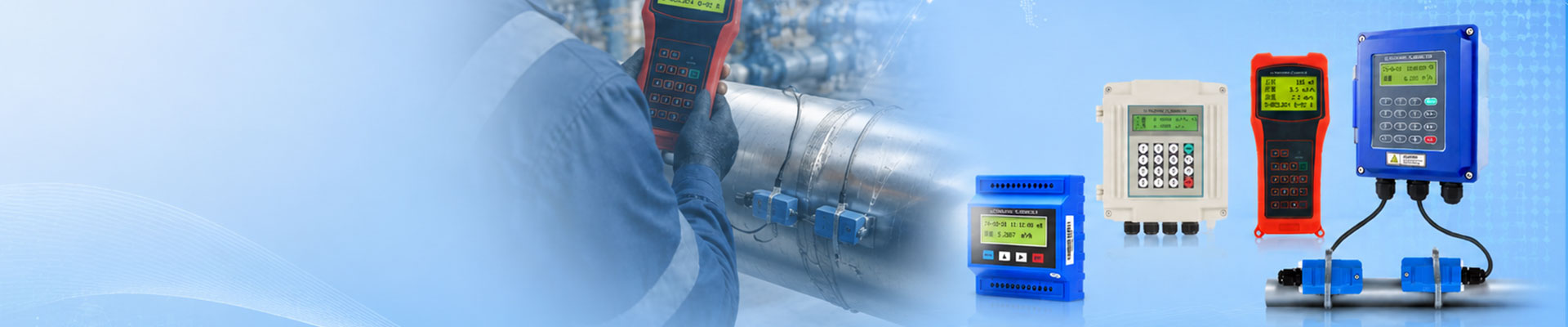
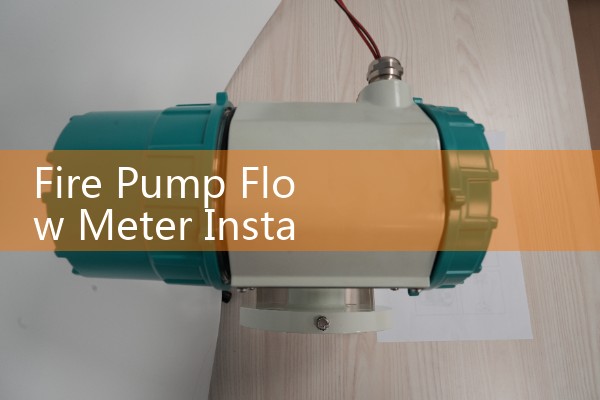
Each type suits different sites. A venturi loop is robust with no electronics and handles dirty water, but impulse lines can clog. A magnetic flow meter requires conductive liquid. Clean water works great. We supply them with PTFE or hard rubber liner and Hastelloy C electrodes for brackish water. They output 4-20 mA HART to your BMS or fire alarm panel. Ultrasonic clamp-on meters are a practical choice for retrofits on pipe sizes from DN15 to DN3000. For permanent NFPA 20 compliance we often recommend the Silver Automation Instruments SI-MAG electromagnetic flow meter series. It delivers ±0.3 percent of reading accuracy, includes a welded carbon steel or stainless steel body, and comes with a factory calibration certificate. If you need a fixed ultrasonic meter, our SI-US series handles pipe diameters up to DN1200 without any pipe modification.
NFPA 20 Flow Meter Accuracy and Calibration
NFPA 20 does not list a strict accuracy class, but NFPA 25 inspection uses the meter reading to verify the pump curve. Target at least ±2 percent of reading. A venturi with a proper DP transmitter can achieve ±1 percent. A magnetic flow meter easily reaches ±0.2 to ±0.5 percent. Always demand an ISO 17025 traceable calibration certificate. At Silver Automation Instruments we ship each fire pump flow meter with a 5-point calibration report matching your flow range. We also offer on-site commissioning support in Southeast Asia, the Middle East, and Africa. Call us at +86-135-1213-1526 or message on WhatsApp at 86-135-12131526. You can also reach our engineers on WeChat: +86 13512131526.
FAQ
Q: Can I use a portable pitot tube instead of a permanent flow meter for NFPA 20 compliance?
A: NFPA 20 requires a permanent meter on the pump discharge for performance verification. Pitot tubes are for NFPA 25 field testing, not for the fixed pump room instrumentation.
Q: What straight pipe run does a venturi loop need in fire pump piping?
A: Typically 10 pipe diameters upstream and 5 downstream. Confirm with the venturi manufacturer data sheet. If your pump room layout cannot provide this, an electromagnetic flow meter is a much shorter solution.
Q: Will a magnetic flow meter work with seawater in a firewater system?
A: Yes, with proper electrodes such as Hastelloy C and a seawater-resistant liner (EPDM or PTFE). We supply magnetic flow meters specifically designed for seawater and brackish water firefighting systems. Tell us the chloride concentration when you inquire.
Q: How do I size a flow meter for a 2500 GPM electric fire pump?
A: The meter must measure up to 3750 GPM. Typical pipe size is DN200 or DN250. Send us the exact pipe schedule, rated head, and nominal flow. We will cross-check the flow velocity and provide a model that meets 150 percent rated flow with good turndown.
Q: Does Silver Automation Instruments supply flow meters with ATEX Zone 1 certification for oil and gas fire pumps?
A: Yes, our SI-MAG and some SI-US ultrasonic models are available with ATEX, IECEx, or EAC certifications. Mention your zone, gas group, and temperature class in your request. We will confirm the printable certificate package included.