

 Current position > News detail
『Electromagnetic Flow Sensor Electrode Material Selection』Related information(v cone flow meter|rotary gas meter|gallon meter|gear meter|metal tube rotameter|glass tube rotameter|nutating disk meter|transit time ultrasonic flow meter|wedge flow meter|pd meters|hydraulic flow meter|ultrasonic water flow meter|water flow meter|air flow meter|magnetic water flow meter|oxygen flow meter|gas flow meter|argon flow meter|air velocity meter|gasoline flow meter|fuel flow meter|ultrasonic water meter|digital water meter|nitrogen flow meter|solid flow meter|Oxygen tank flow meter|digital water flow meter|diesel fuel flow meter|steam flow meter|02 flow meter|compressed air flow meter|oil flow meter|liquid flow meter)
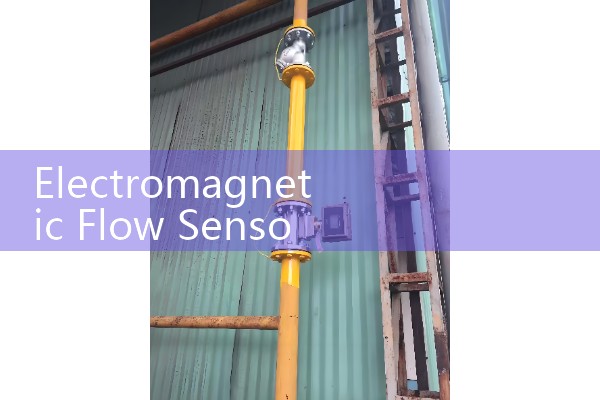
Electromagnetic Flow Sensor Electrode Material Selection
Quick Answer: Electrode material selection for an electromagnetic flow sensor depends entirely on fluid chemistry, temperature, and conductivity. 316L stainless steel works for clean water and most weak solutions. Hastelloy C, tantalum, platinum, and titanium fill the gaps when you face acids, brines, or abrasive sludge. Get this wrong and your meter loses signal or leaks within weeks. Silver Automation Instruments ships magmeters with pre selected electrodes for common applications, but always send us your exact fluid datasheet.
Why Electrode Material Selection Is Not Optional
Electromagnetic flow meters work with conductive liquids only. The two electrodes inside the flow tube pick up the tiny voltage generated by the moving fluid. When the electrode material is not compatible, you get pitting, oxide layers, or galvanic corrosion. In practice, most engineers skip this part and focus on pipe size and liner. Then they call us six months later with a dead meter.
A food plant in Brisbane contacted us in 2023. They measured a CIP cleaning solution with a standard 316L electrode magmeter. The solution carried sodium hypochlorite at 70 °C. The 316L electrodes pitted badly after three cleaning cycles. The flow reading drifted from 12.5 m³/h to 8.9 m³/h. We replaced the sensor with a Hastelloy C electrode version, DN50, PTFE liner, and the signal stayed stable at 12.5 m³/h ever since. That single switch avoided two unplanned shutdowns per quarter.
Electrode Material Guide for Difficult Fluids
For clean water, boiler feed water, and groundwater, 316L stainless steel electrodes work fine down to 20 µS/cm conductivity. They handle mild chemicals up to 100 °C. But when your fluid contains free chlorine, sulfuric acid above 10 percent concentration, or ammonium phosphate, 316L is the wrong answer.
Hastelloy C, or HC, covers a broad range of acids. Many chemical distributors in Southeast Asia choose HC electrodes for sulfuric acid at 30 percent, ferric chloride, and seawater with injection chemicals. The upper temperature limit stays around 120 °C depending on the liner. In one project we supplied 14 magmeters with HC electrodes and PTFE liners for a desalination plant in Saudi Arabia. The media was raw seawater at 35 °C, conductivity over 48 mS/cm. The meters passed site acceptance test on first try.
Tantalum electrodes handle strong acids like hydrochloric acid, nitric acid, and aqua regia. Tantalum resists corrosion even at temperatures above 150 °C. A paint manufacturer in Vietnam uses our SMF series with tantalum electrodes for concentrated HCl dosing at 14 bar pressure. Titanium electrodes, on the other hand, are not for chlorine based media. Titanium works best with brine, caustic soda, and salt solutions where oxidation matters but free chlorine is absent. Last year a customer in Peru tried titanium in a chlor alkali plant. The passive oxide film formed quickly, and the magmeter output froze at zero. We switched them to platinum electrodes and the signal returned to normal.
Platinum and platinum rhodium electrodes suit weak oxidizing environments and fluids with very low conductivity, down to 0.01 µS/cm. We often recommend platinum for demineralized water, pharmaceutical water for injection, and alcoholic beverages. Do not use platinum with aqua regia or chlorinated solvents at high temperature. For abrasive slurries, like iron ore pulp or ceramic glaze, tungsten carbide coated electrodes are available. Silver Automation Instruments also offers conductive polymer electrodes for certain wastewater applications where metal electrodes foul too f
Grounding and Liner Compatibility
Electrode material is only one part of the loop. Always check the liner and grounding ring material pair. A PTFE liner handles strong acids and high temperature, but it requires a grounding ring or grounding electrode. If the fluid is conductive enough, we often use a built in grounding electrode made of the same material as the measuring electrodes. In poor conductivity fluids, we add a tantalum or HC grounding ring. Matching them prevents stray current issues. We have seen a site in Mexico where a stainless steel grounding ring paired with tantalum electrodes in sulfuric acid caused galvanic noise. Replacing the grounding ring with tantalum solved the measurement in one day.
How to Communicate Your Media to Silver Instruments
Here is the thing. You do not need to be a materials scientist. Send us six pieces of data and we will select the correct electrode, liner, and grounding option from our SMF magmeter range. State your pressure in bar, temperature in °C, pipe size in DN, normal flow range, chemical composition with concentration percentages, and any trace solids. Our engineers check the compatibility matrix against NACE and corrosion handbooks. We then propose a model and send a quotation within one working day. If the chemical mix is confidential, give us the main aggressive component and pH.
For small distributors, we also offer a quick selection cheat sheet. You can request it by email and it shows material recommendations for over 80 common fluids. But for custom blends, always share the details. A coil coating line in Turkey sent their full process list last month. We configured 12 magmeters with mixed electrode materials in one order and reduced their spare parts complexity.
Frequently Asked Questions
Can I use the same electrode material for all my water lines? If all lines carry potable water or treated wastewater with no chlorine spikes, yes. Use 316L. But if any line has chemical dosing, cleaning agents, or saline intrusion, check separately. Many plants run raw water and dosing lines through the same meter model, but the electrode must match the worst case media.
What is the most common electrode failure you see? Most failures come from using 316L in the presence of free chlorine or hypochlorite. Pitting starts within days at elevated temperature. The second most common is using titanium where chlorides are high but chlorine is also present. The oxide film kills the signal.
Does electrode material affect the minimum conductivity requirement? Yes. Standard 316L and Hastelloy C need minimum 5 µS/cm for stable readings. Platinum electrodes can go down to 0.01 µS/cm. That matters for demin water and pure solvents. Silver Instruments offers a high impedance input option that extends the low conductivity range further.
Can I replace the electrode material in the field? No. The electrodes are welded or press fitted into the flow tube liner. You must replace the entire flow sensor or order a customized sensor assembly. We ship replacement sensors ex stock for DN25 to DN300. Larger sizes are built to order with a lead time of 3 to 4 weeks.
How do I get a price for a magmeter with specific electrode material? Tell us your fluid, temperature, pressure, pipe size, and flow range. If you have a target model like SMF series with Hastelloy C electrodes, mention it. Send the request to our sales email on flow-meter.com.au. We quote within one working day and include freight options to Port Klang, Laem Chabang, Jebel Ali, or your nearest port.